Landscape & Carbon, Mark Bentley
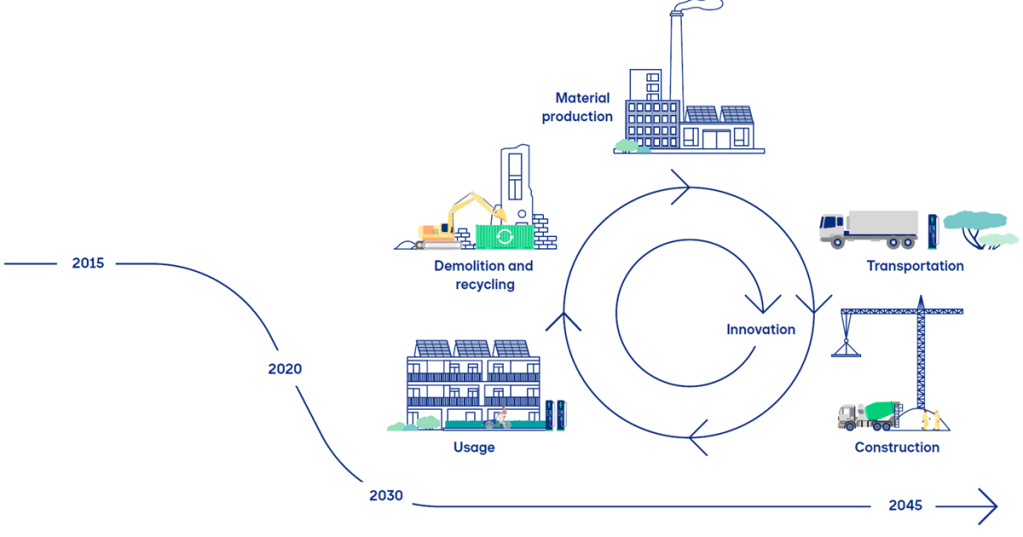
Life Cycle Assessment (LCA)
Extraction->manufacture -> transportation -> installation -> use -> maintenance -> demolition-> repurpose/reuse/landfill
The life cycle is impacted by environmental impacts.
- Minimization of energy footprint/energy and CO2 emissions
- use of recycled materials
- upgrade of environmental performance of existing buildings
- reduction of water pollution and flooding
- creation of new habitats and protection/enhancement of existing habitats
- maximize health and well being of the people with public green spaces
Sustainable design and construction:
The elemantal tool is a way to look at the environmental impacts of your project.
https://calculator.farmcarbontoolkit.org.uk/elemental
Climate change adaption
Different approaches:
- Resistance (example Thames Barrier)
- Resiliance (resistance through creation of spaces, water management, biodiversity improvements)
- Transformation (accept that transformation is needed and fully adapt to the changes -> example: rising sea level causes flooding of rivers => fresh water turns into salt water)
Climate change mitigation
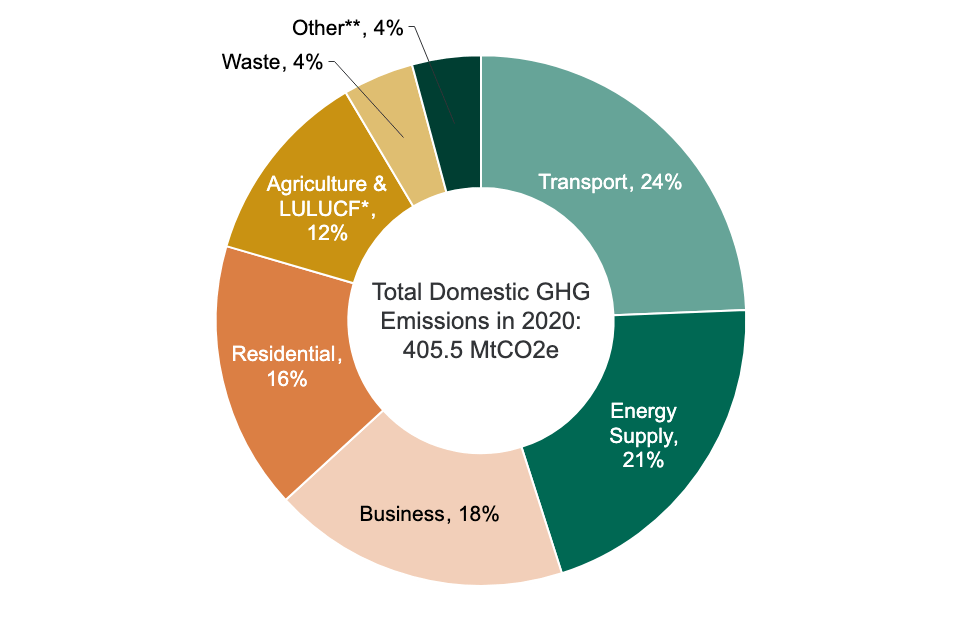
Reducing greenhouse gas emissions.
The UK has made a commitment to reach net-zero GHG emissions by 2050.
At the moment the UK generates about 15% of its electricity from nuclear power. Nuclear power and the handling of nuclear waste remains a widely discussed topic.
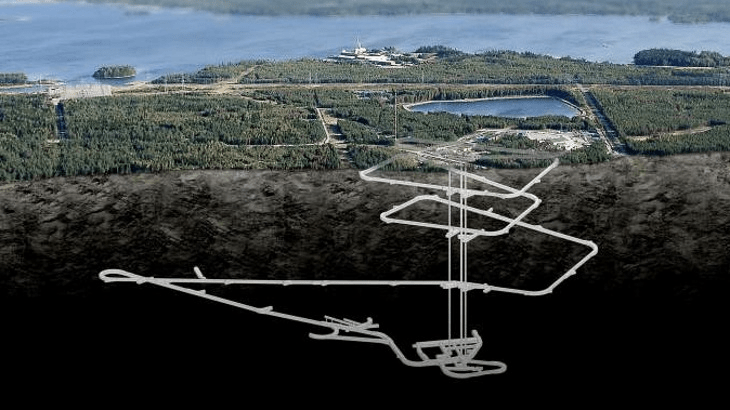
Proposed nuclear waste tomb in Finland.
Carbon footprint
Carbon footprints measure the total greenhouse emissions caused directly and indirectly by a person, event or product.
It measures in tonnes of carbon dioxide equivalent.
Steel and concrete are materials that produce a lot of carbon dioxide.
Reduction of the carbon footprint:
- The use of recycled products can reduce the emissions.
- Trees of course have a great impact on reducing CO2 emissions.
- Sustainable transport
- Sustainable drainage
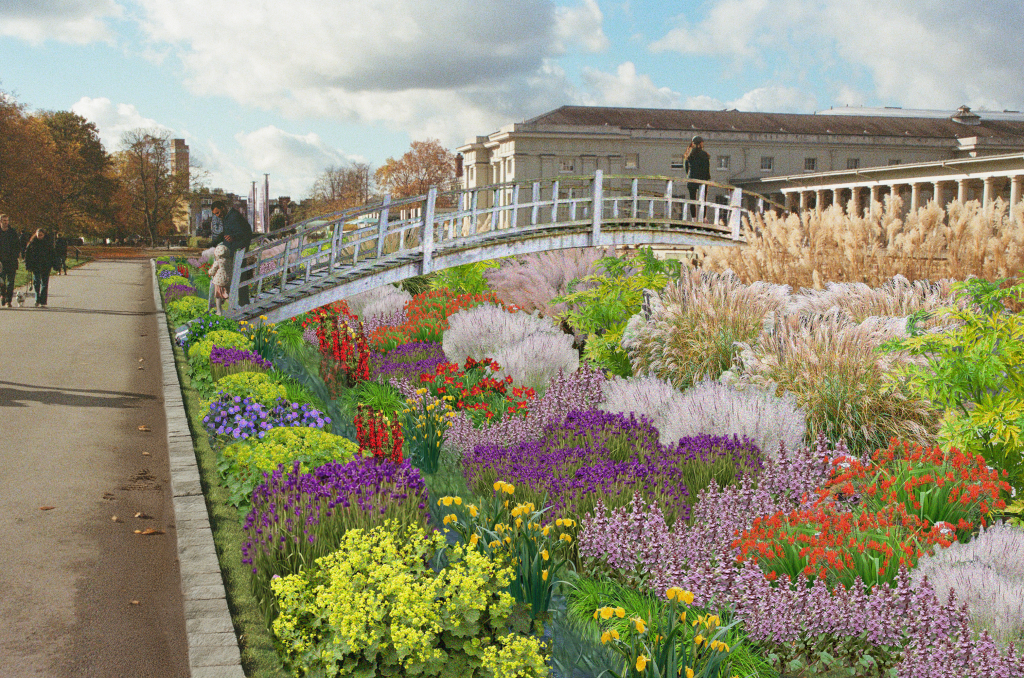
Rain gardens are effective methods of surface water management.
- Substrates with recycled products
- Inclusion of rooftops -> especially in highly urbanized areas, the use of rooftops can be a good option to compensate lost green spaces
RIBA Plan of Work
The RIBA Plan of Work is a document that outlines all stages in the planning, design and building process, from conception to completion on site. It is the most common document used in the UK to describe the stages in construction projects.
The Landscape and Carbon report by the Landscape Institute provides a lot of information regarding today’s topic. I will definitely come back to it for my work in future projects.
https://www.landscapeinstitute.org/policy/landscape-and-carbon/
 Noah's Landscape Journal
Leave a comment