Plant production
Roots: Are not a mirrored protection of the tree. -> Rootball is wide and quite flat. 90% of the roots are in the top meter of soil.
Photosynthesis: Water and carbondioxide is transported through UP the stem to the leaves.
Product: Sugar and Oxygen going DOWN (floams)
A lot of sugar is not adding to groth, it’s going down into the root system for storage.
In spring the plans need energy and they take it from the storage.
Plant Naming:
Example: Pyrus calleryana ‘Redspire’
- Pyrus: Genus
- calleryana: species
- ‘Redspire’: cultivar
Nursery production:
- Goal: Similar plants. Know what your getting if ur talking about a plant.
- Production goals: Uniform, Consistent Clones of Plants. -> needs to be done
- Genetic mutation leads to differences over time in species!
How to ensure you clone plants in the right way:
Chipbudding (the two plants are very closely related)
- remove a single bud and implant it in the donoughtplant.
- Tie the two together and they fuse.
- Then the rootstock is cut back to th bud that it grows from there.
Cutting: -> go over it again
Adventious root formation
- Roots
- Arise from tissue other than existing roots
What to look for in a nursery:
- conistent groth pattern (can be short but needs to be uniform)
- Seed production: can be used if diversity is needed (natural) and the similarity isn’t important
Nursary production systems:
Soil shaken off method:
- trees are scooped out the ground with and the soil is shaken off
- trees are kept in bags: black inside (no light inside), white outside (reflect)
Rootballed plants (close to enea method)
- scooped out with the soil to keep the it in contact with roots
- Bundeled up in “jutesack” material and in metal grid
- the greater the rootmass, the better
- rootballs are kept hydrated
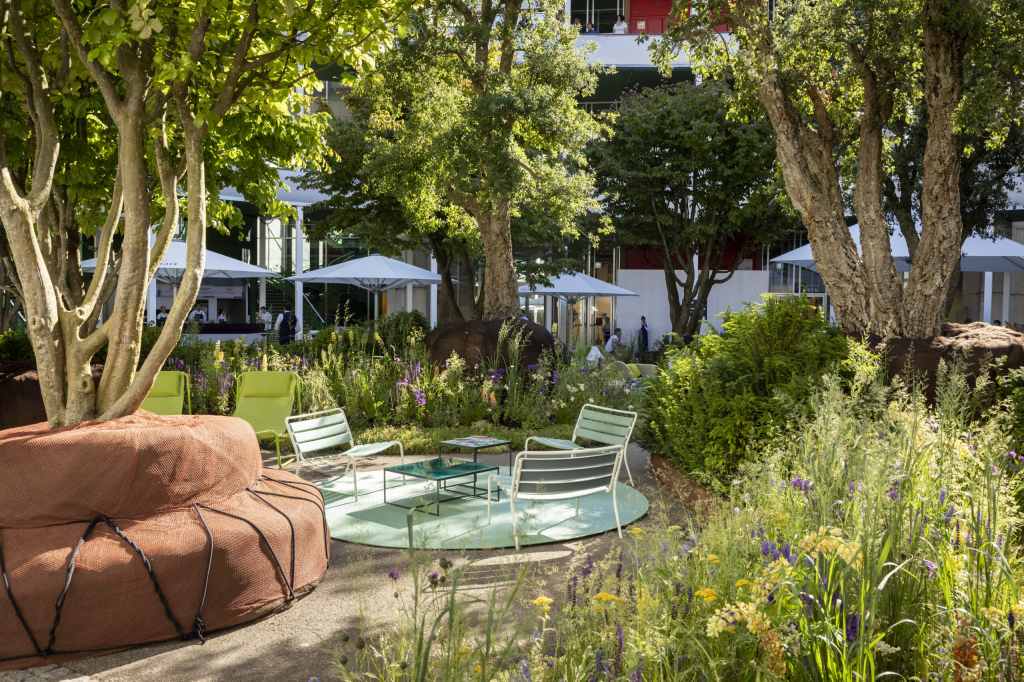
Project for the “Art Basel” by my former employee, enea landscape architecture. Trees were kept inside the jute material instead of using planters to give a raw insight of method the company uses to moves trees and provide unique seating areas at the same time.
Specifications of transplanting: -> read again
Use “setzlinge” that are as small as possible because it minimizes the “shock” of transplanting
Bigger ones require more carefulness -> see enea
Allow the tree to move after planting to get stronger. -> put support structure fairly low
Never plant plants too deep!
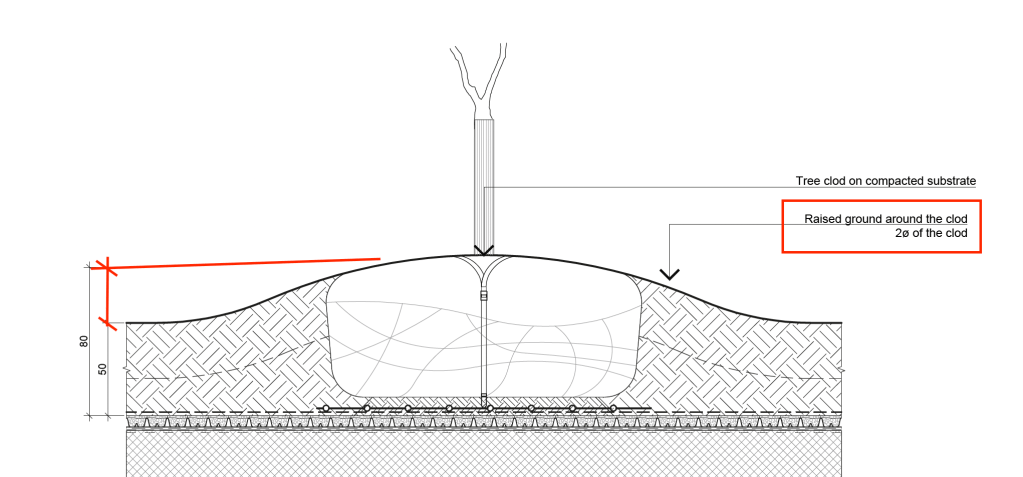
If the tree is planted too low, the roots will be suffering and in worst case the tree will not survive. Example shows how this important step was implemented in plans when I worked in practice.
Transportation
- Tree is taken by the rootball
- Loading basically in responsibility of the nursary
- Unloading: responsibility of the LA contractor
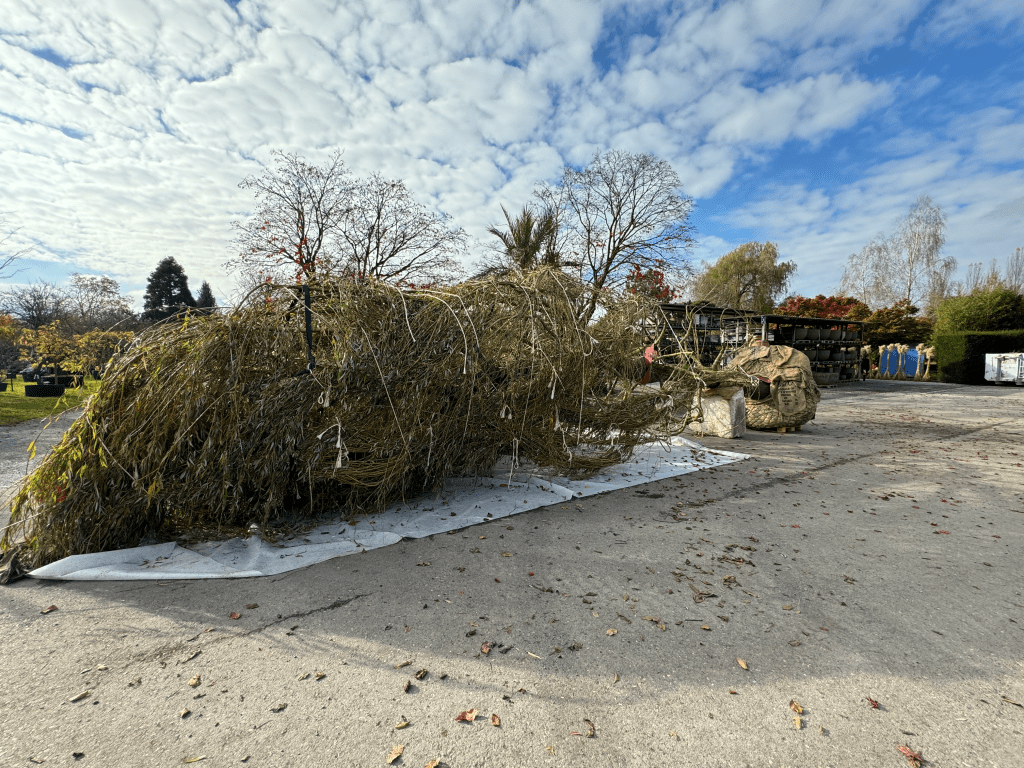
Transportation of a large Salix x pendula
Soil
- living habitat/ecosystem
- Provides support
- Moisture
- Drainage
- Provides access to fungi
Ratio between sand, silt and clay
Compacted soil
- no water gets through
- smells bc no air
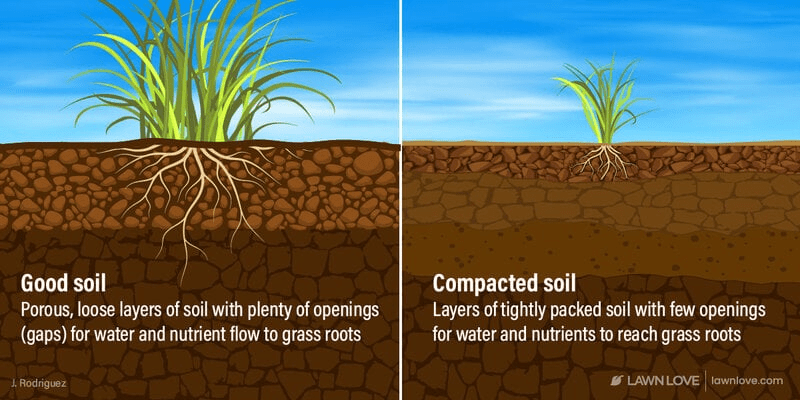
Good soil:
- 50% Solid
- 25% Water
- 25% Air
High clay soil expands and leads to cracks.
Soil improvment:
Clay: add sand -> to make a difference, so much sand needs to be added, it’s not economically bearable.
Higher clay content: easy to get too dense to have an impact on planting
Use of compacted Soil
- as a support of Structures on top of it
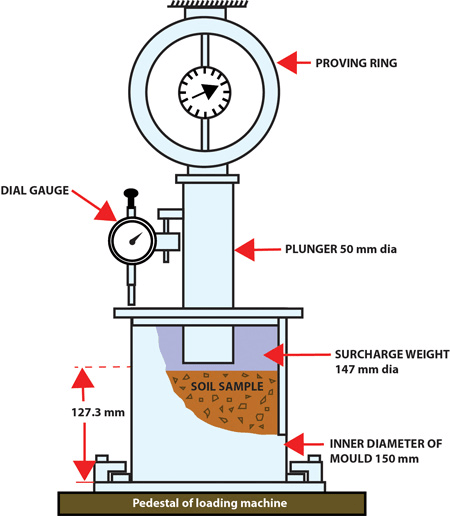
CBR
Measures the ability of a ground to support a load, relative to a bucket of rocks from California. measured by loading the ground to see how much it affects it.
 Noah's Landscape Journal
Leave a comment